
As the popularity of recreational drones continues to grow, the general public has also become increasingly wary of this technology. Some people view drones as a nuisance and a hazard, and it's not totally unjustified.
Irresponsible drone use is certainly a growing problem and an ongoing concern. We've all heard stories of drones being flown recklessly into airport flight paths or unexpectedly crashing into people's backyards. On the other hand, drones have also created a huge potential for innovation, and one of the newest innovations actually has the potential to help combat global climate change.
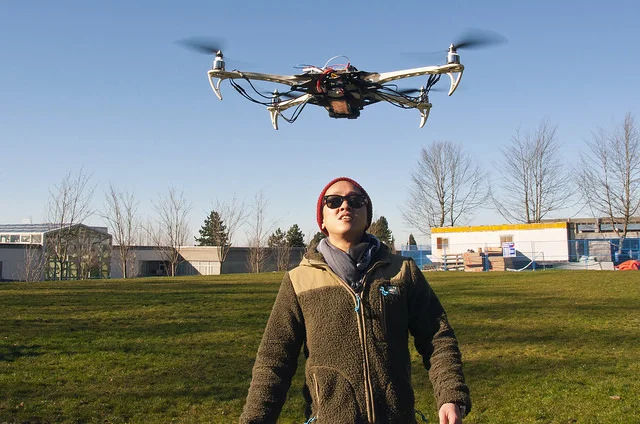
A student watches a recreational drone mid-flight. Image credit: Simon Fraser University
Deforestation has been a problem for decades, and although there have been changes in logging regulation (at least in North America) and multiple reforestation initiatives over the past 20-30 years, the process has traditionally been slow and costly.
As deforestation worsens, the environment's ability to combat climate change gets weaker. Fortunately, with the help of modern drone technology, a startup called DroneSeed is working hard to change that.
"Forests still cover about 30 percent of the world’s land area, but swaths half the size of England are lost each year. The world’s rain forests could completely vanish in a hundred years at the current rate of deforestation." - National Geographic
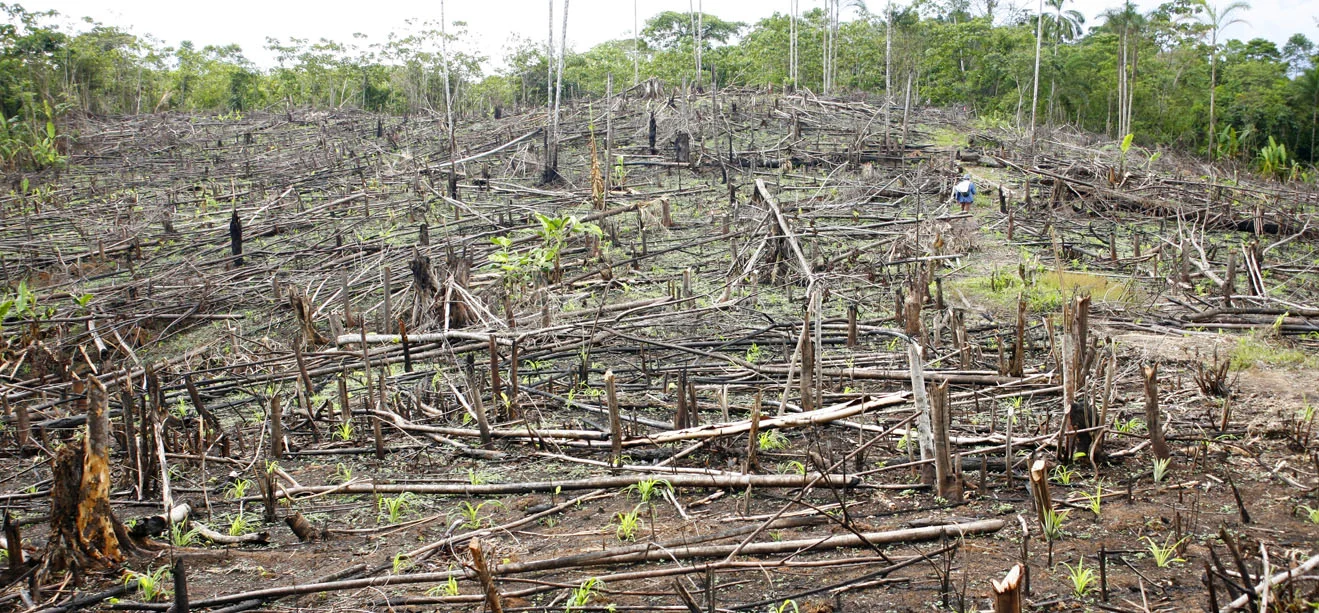
Deforestation is still an ongoing problem in many nations. Image Credit: LEAF Centre
The engineers at DroneSeed are using large, custom-made drones equipped with special seed-delivery technology to plant trees faster, more efficiently and for less money than ever before. As the company works to automate and scale their drone reforestation program, it's exciting to think about the implications this could have on global reforestation and combating climate change.
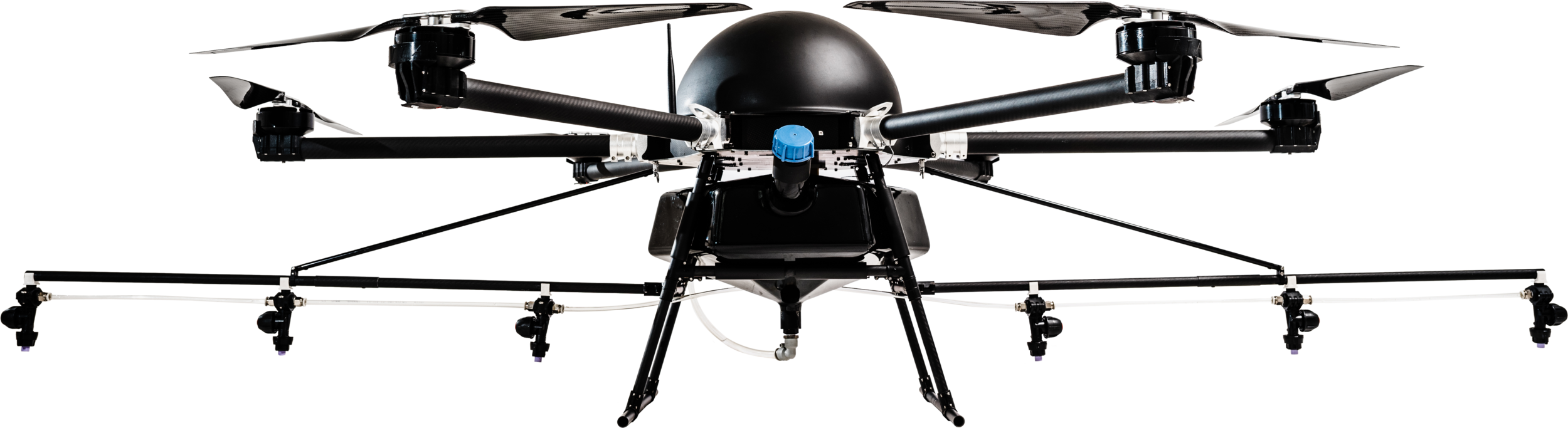
One of DroneSeed's customized reforestation drones. Image credit: DroneSeed
According to the people at DroneSeed, a single person can plant about 800 trees a day (approximately two acres). One person with a semi-automated fleet of 15 specialized drones could do about 360 manual labor hours of tree planting in one day, resulting in significantly more efficiency and greatly reduced cost. Labor is the most expensive part of reforestation.
Tree seeds are cheap. Custom drones aren't cheap, but can ultimately be more cost-effective to operate and significantly more efficient. The biggest question will be whether or not DroneSeed can automate and scale their seed delivery system, and whether or not planting seeds from the air will prove to be as effective as planting tree saplings by hand.
For the sake of our forests, I certainly hope the people at DroneSeed are able to succeed.
Or visit DroneSeed